Walk through any busy commercial corridor in London, Ontario and the value of print becomes obvious fast. Storefront windows carry seasonal offers. Real estate signs turn front lawns into advertising space. Menus, brochures, postcards, rack cards, banners, labels, and direct mail pieces all compete for a few seconds of attention. Digital marketing gets much of the conversation, but local business promotion still depends heavily on physical materials people can hold, keep, and act on.
That is why the quality of your printed materials matters more than many owners expect. A flyer printed with muddy colours or soft type can make a capable business look careless. A well-produced package, on the other hand, signals competence before a salesperson says a word. In practical terms, print is not just decoration. It is part of your sales process, your customer experience, and your brand reputation.
For companies evaluating printing London Ontario options, the challenge is not simply finding someone who can put ink on paper. It is finding a print partner who understands deadlines, file setup, stock selection, finishing, and the business purpose behind the piece. The difference shows up in response rates, foot traffic, event turnout, and how confidently your team hands materials to prospects.
Why local print still holds its ground
Business owners sometimes assume print is less relevant because so much marketing now happens on screens. That usually changes when they run a promotion that needs a physical reminder. A postcard on a kitchen counter lingers. A leave-behind folder after a sales meeting stays in the office. A point-of-purchase sign nudges a last-minute decision where it counts, at the moment of purchase.
Local print works especially well when timing and geography matter. Restaurants announcing a new menu, home service companies canvassing a neighbourhood, clinics opening a second location, and contractors building awareness in specific postal codes all benefit from tangible materials. In a city like London, where neighbourhood identity still has weight and local referral patterns remain strong, targeted print often performs better than broad, expensive campaigns aimed at everyone.
There is also a practical trust factor. People judge businesses by details. Thick card stock, crisp colour, and a clean finish communicate stability. Cheap stock and blurry images suggest shortcuts. It may sound harsh, but customers do make those leaps. I have seen businesses spend thousands on a trade show booth and then hand out business cards that bent like tissue. It undercut everything else they had done right.
What businesses usually need from print, and why quality changes the result
The best print strategy starts with purpose. A handout for a networking event needs different choices than a construction site banner. A direct mail postcard has different demands than a luxury product catalogue. Yet many projects still begin with a vague request such as “We need brochures by Friday.” That is how businesses end up paying for features they do not need, or skipping features they absolutely do.
Commercial print is full of trade-offs. Gloss stock can make colours pop, but it can also create glare under certain lighting. Uncoated stock feels premium for some brands, but photos often appear softer. A larger postcard gets noticed more easily, but postage and production costs rise. Lamination protects menus and presentation covers, though it adds cost and can slightly affect turnaround time.
The strongest printing companies London Ontario businesses rely on usually ask a better set of questions. Where will this be used? How long does it need to last? Is the goal awareness, credibility, response, or repeat purchase? Will people write on it? Is it mailed, displayed, folded, rolled, or handed out?
Those questions matter because they turn printing from a commodity into a business tool.
Choosing between speed, finish, and budget
Every print job sits somewhere inside a triangle of speed, finish, and budget. You can usually push hard on two. Getting all three at once is less common.
When a client needs 250 flyers for a pop-up event tomorrow afternoon, digital printing is often the right answer. Setup is quick, quantities can stay low, and colours can still look strong on the right equipment. When another client needs several thousand brochures with exact colour consistency and premium coatings, offset or higher-end production methods may make more sense, especially if the unit cost improves at volume.
This is where good printing services London Ontario providers earn their keep. A seasoned shop will tell you when to spend more and when not to. If a flyer is meant for a one-week sale, there is rarely a reason to overbuild it. If a presentation folder will be used by your sales team for six months of meetings, flimsy materials become a false economy.
I have watched companies save forty or fifty dollars on stock only to reprint the whole job because More help the original piece felt too light. That sort of mistake costs more than money. It costs time, confidence, and often a missed opportunity.
The print pieces that move the needle for local promotion
Not every business needs a large catalogue or elaborate direct mail package. Most local promotions work best when materials match a specific moment in the customer journey. A landscaping company benefits from door hangers or oversized postcards before spring booking season. A dental office might need appointment cards, referral cards, and reception signage. A retailer preparing for a sidewalk sale likely gets more return from window clings, posters, and in-store shelf talkers than from a long brochure.
A reliable print shop London Ontario businesses trust should be comfortable with that range. Some shops are especially strong in short-run digital work, ideal for fast-changing campaigns. Others handle large-format signage, vehicle graphics, or trade show displays. Some offer mailing support, variable data printing, and finishing options such as scoring, folding, perfect binding, or die-cutting.
The key is to choose the right format for the job, not the most impressive sounding one. A simple rack card can outperform a brochure if the audience only needs three pieces of information and a phone number. A clean banner can do more for event visibility than a stack of handouts. A branded notepad left behind after a meeting can quietly keep a business top of mind for weeks.
How materials shape first impressions
Print has a tactile language. Customers may never describe it that way, but they feel it immediately. Weight, texture, finish, and clarity all influence perception.
Imagine two service providers bidding on the same commercial contract. One submits a proposal in a thin, generic folder with inconsistent printing and low-contrast graphs. The other submits a neatly organized package on quality stock, with tabs, clean typography, and clear colour reproduction. Even before the proposal is read in full, the second package suggests order, care, and professionalism.
This is one reason print shops London Ontario businesses return to often become part of their brand process, not just their purchasing process. Consistency matters. Your blue should look like your blue, not shift from navy to teal depending on the month. Your logo should stay sharp whether it appears on a business card, booklet, or retractable banner. Your paper choices should reflect the market you serve.
Premium does not always mean expensive. Sometimes it simply means appropriate. A premium feeling card may come from choosing a heavier uncoated stock rather than adding several specialty finishes. A polished brochure may come from better layout margins and sharper images, not a more expensive press sheet.
Common mistakes that waste print budgets
Most print problems start before the job reaches the press. Businesses rush artwork, pull low-resolution logos from old email attachments, or overlook bleed and trim settings. Then they blame the printer when the result looks poor. Good print can only rescue so much.
The other recurring problem is over-ordering. Years ago, many businesses printed large quantities because the unit price dropped dramatically. That still matters on some jobs, but it is not always wise. Prices, phone numbers, offers, staff lists, and service details change. I have seen storerooms full of obsolete brochures that looked like savings on paper and became waste in practice.
Another issue is under-specifying the job. Saying “We need posters” leaves too much unsaid. Are they for a window facing direct sunlight? A foam board display? An indoor event? A one-week campaign? A six-month installation? If the printer does not know the use case, you may get a technically correct job that performs poorly in the real environment.
Here are five errors worth avoiding when ordering promotional print:
Sending artwork built in RGB instead of a print-ready CMYK file, then being surprised when colours shift. Choosing the cheapest stock for a customer-facing piece that represents a premium service. Printing too many units of materials that contain time-sensitive pricing, dates, or staff details. Assuming every printer handles signage, labels, direct mail, and booklets with equal strength. Leaving approval to the last minute, which often creates rushed proofs and preventable mistakes.Those five issues account for a remarkable share of disappointing print jobs.
Working with a local printer versus ordering online
Online print portals have their place. They are convenient, often fast, and suitable for straightforward reorders when the specifications are already locked in. But convenience is not the same thing as fit.
For many businesses, especially those managing signage, promotional campaigns, event materials, or mixed product runs, a local relationship is worth more than a rock-bottom online price. When you can discuss options with someone who understands your timeline and can physically show you stocks, finishes, or colour samples, decisions get easier and errors drop.
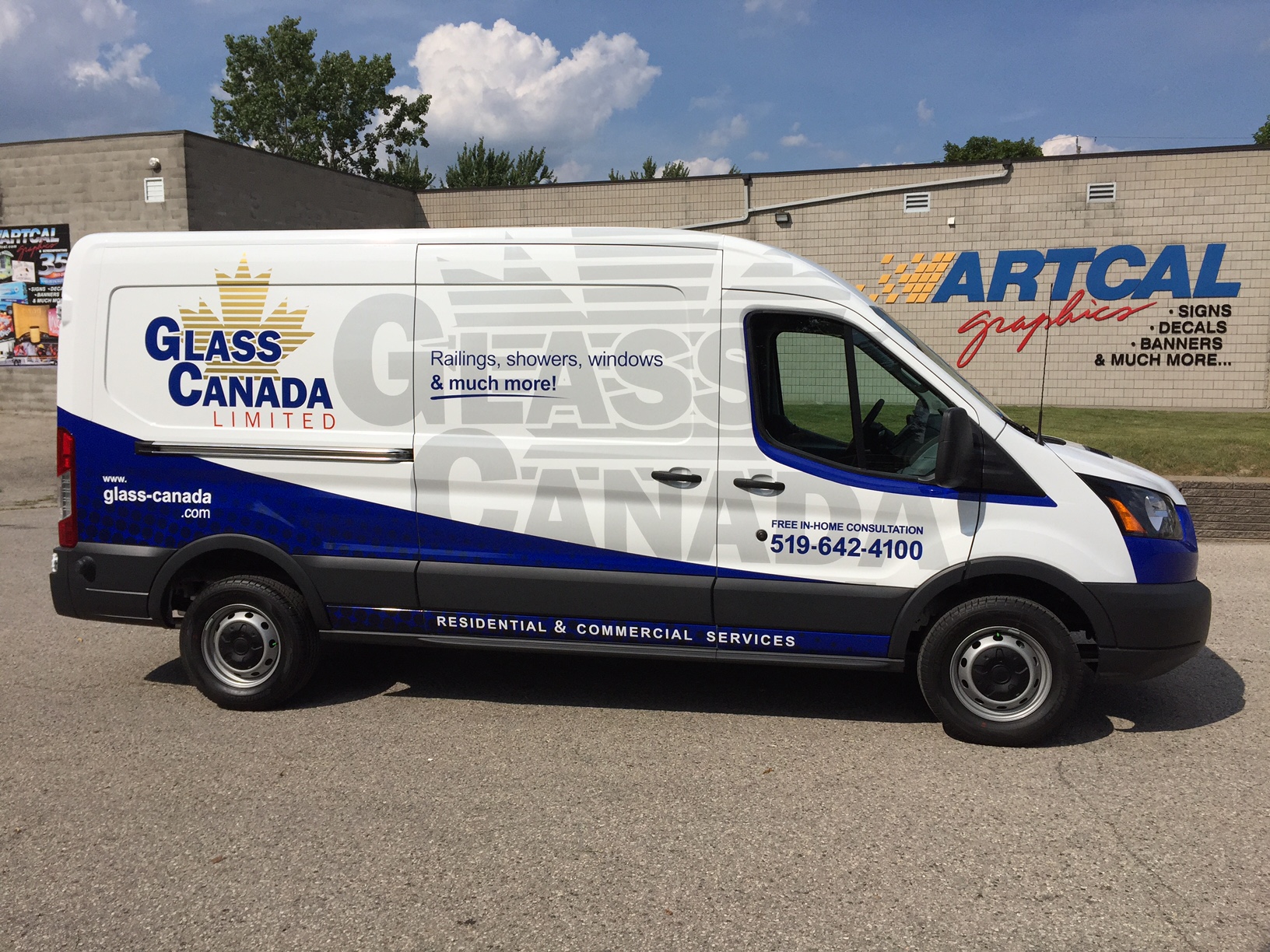
That local advantage becomes even clearer when something changes. An event date moves. A shipment arrives damaged. A proof reveals that the QR code is too small. A banner stand needs replacement graphics, not a whole new setup. A neighbourhood mail campaign needs split quantities by postal route. These are ordinary business realities, and they are easier to navigate with a responsive local provider.
Many printing companies London Ontario serve clients precisely because they can solve those practical issues with less friction. They know the seasonal rush periods. They understand when a rush request is truly doable and when promising it would only create a bigger problem.
Questions worth asking before you place the order
The best client-printer relationships are built on clarity. A few smart questions can prevent expensive print shop london ontario revisions and make sure the final product fits its purpose.
Use this short checklist when comparing providers:
What file format and resolution do you need for the cleanest result on this specific product? Which stock and finish do you recommend for how this piece will be handled, displayed, or mailed? What is the realistic turnaround time, including proofing and finishing? Can you show a sample of similar work, especially if colour accuracy or durability matters? If my quantity, size, or timeline changes, where do the biggest cost differences show up?That kind of conversation quickly tells you whether you are dealing with an order taker or a genuine advisor.
The role of colour, paper, and finishing in business promotion
Colour is not merely aesthetic. It affects legibility, emotional tone, and recognition. In print, colour also behaves differently depending on stock and coating. Rich black on a matte card can feel refined. The same black on a glossy sheet may appear deeper but less subtle. A bright red can sing on one stock and flatten on another. This is why proofs matter, especially for brand-sensitive work.
Paper carries similar weight. Uncoated papers often feel warmer and more tactile, which suits consultants, boutiques, wellness brands, and premium services. Coated stocks usually deliver sharper imagery and stronger saturation, useful for food photography, retail promotion, and high-impact flyers. Synthetic materials, laminates, and weather-resistant substrates become important for menus, tags, outdoor signage, and pieces that are handled repeatedly.
Finishing is where a standard piece can gain practical edge. Scoring prevents cracking on folded covers with heavy ink coverage. Lamination extends life. Spot UV, foil, and embossing can add impact, though they are best used with restraint. Too many effects on one piece can make it feel busy rather than polished.
Experienced print shops London Ontario teams often guide clients toward the simplest finish that delivers the needed effect. That is usually a sign of good judgment, not a lack of ambition.
Print for specific industries in London
The print needs of a downtown law office differ sharply from those of a contractor serving new subdivisions, and both differ again from a restaurant in a busy retail plaza. That may seem obvious, yet many businesses still buy generic materials rather than tailoring them to how their customers actually interact.
Health clinics tend to benefit from forms, appointment cards, educational handouts, referral materials, and calm, easy-to-read signage. Real estate professionals need fast-turnaround feature sheets, listing postcards, open house signs, and presentation folders that can keep up with changing inventory. Manufacturers often need labels, manuals, safety signage, spec sheets, and trade show materials. Nonprofits may lean on event posters, donor cards, annual report booklets, and sponsorship packages.
A good provider of printing services London Ontario businesses depend on will understand these use cases and suggest formats accordingly. That is one reason specialization matters. A printer who regularly supports events will think about setup ease, transport, and visibility from a distance. One who serves restaurants will think about moisture resistance, menu revisions, and daily wear.
Direct mail still works, if the offer is tight
Direct mail remains one of the most practical uses of print for local promotion, particularly when the audience is geographically defined. The mistake businesses make is treating the mail piece as an announcement rather than a proposition.
A strong mailer usually has one clear offer, one clear action, and a design that can be understood in seconds. It does not need to tell your entire story. It needs to create the next step. That might be a call, a booking, a visit, or a code redemption.
For direct mail, format matters less than relevance and timing, though production quality still affects trust. If you are comparing printing London Ontario vendors for a mail campaign, ask whether they can advise on sizing, addressing, and quantity breaks, and whether they have experience with variable data if personalization is useful. Sometimes adding a first name or neighbourhood reference improves response enough to justify the setup.
The smartest campaigns also connect print with digital follow-through. A QR code can work well when it leads to a simple landing page, not a cluttered homepage. A mailer can push traffic to a booking page or limited-time offer. Print and digital are not rivals. They often perform best together.
Why turnaround time should never be the only criterion
Rush jobs are part of business. Grand openings move fast. Weather creates demand spikes for roofing, restoration, or snow services. Event sponsors confirm late. Inventory lands behind schedule. A local printer who can move quickly is valuable.
Still, speed alone is a dangerous way to choose. Fast production with weak file checks, poor trimming, or inconsistent colour is not a win. The real question is whether the printer can manage urgency without losing control of quality.
That usually comes down to process. Do they proof carefully? Do they flag low-resolution images before printing? Can they explain the difference between same-day possibility and same-day risk? Shops that handle pressure well tend to communicate clearly and avoid overpromising. It is not glamorous, but it is the backbone of reliable commercial print.
Building a print system, not just buying one-off pieces
The most effective businesses eventually move beyond isolated print orders and build a coordinated system. Their business cards, forms, sales sheets, signage, labels, folders, and event materials all look related. Their templates are easier to update. Their files are organized. Their staff knows which version is current. Reorders happen faster and with fewer surprises.
This does not require a huge budget. It requires consistency. Start with the pieces customers see most often. Standardize logo use, fonts, colour values, and preferred stocks. Keep final approved files in one place. Review materials once or twice a year so outdated details do not linger. A dependable print shop London Ontario partner can help maintain that continuity over time.
Businesses that do this tend to spend better, not simply spend more. They stop reinventing each job. They reduce errors. They present themselves more professionally across every touchpoint.
What to expect from a strong local print partner
The best print relationships feel collaborative. You bring the business goal, the timing, and the brand context. The printer brings production knowledge, process discipline, and practical recommendations. Together, you get a piece that performs in the real world, not just on a screen.
That is what separates a transactional vendor from a useful partner. A good partner notices when your margins are too tight for a fold. They warn you when light text on a glossy background may lose readability. They tell you when your quantity choice is inefficient. They help you decide whether a banner should be matte to reduce glare or whether a postcard should be upsized for mailbox presence.
For businesses weighing printing companies London Ontario options, that level of support often matters more than a minor price difference. Print touches sales, service, events, and reputation. When it is done well, it quietly strengthens every one of them.
If your marketing materials need to attract attention, travel well, and reflect the standard of your business, then high-quality printing is not a finishing touch. It is part of the message itself.
Artcal Graphics & Printing — Business Info (NAP)
Name: Artcal Graphics & PrintingAddress: 779 Industrial Rd, London, ON N5V 3N5
Phone: +1519-453-6010
Website: https://www.artcal.com/
Hours:
Monday: 8:00 AM – 4:30 PM
Tuesday: 8:00 AM – 4:30 PM
Wednesday: 8:00 AM – 4:30 PM
Thursday: 8:00 AM – 4:30 PM
Friday: 8:00 AM – 4:30 PM
Saturday: Closed
Sunday: Closed
Open-location code (Plus Code): 2RGM+3R London, Ontario
Map/listing URL: https://www.google.com/maps/place/Artcal+Graphics+%26+Printing+Inc/@43.025226,-81.1680305,17z/data=!3m1!4b1!4m6!3m5!1s0x882eed2ae63a528d:0xc7068af2d391a354!8m2!3d43.025226!4d-81.1654556!16s%2Fg%2F1vm7c2pl?entry=ttu&g_ep=EgoyMDI2MDYwMS4wIKXMDSoASAFQAw%3D%3D
Embed iframe:
Socials (canonical https URLs):
Facebook: https://www.facebook.com/ArtcalGraphics
LinkedIn: https://www.linkedin.com/company/artcal-graphics-&-screenprinting-inc./
Instagram: https://www.instagram.com/artcalgraphics/
https://www.artcal.com/
Artcal Graphics & Printing provides signage and graphic design services for businesses and organizations in London, Ontario and surrounding areas.
If you need custom signs, printed graphics, or design support for marketing materials, the team can help you plan the right format and finish for your project.
Common requests include business signage, interior and exterior graphics, vehicle or window graphics, and printed items used for promotions and day-to-day operations.
Artcal Graphics & Printing serves London and nearby communities throughout Southwestern Ontario.
Hours listed are Monday–Friday 8:00 AM–4:30 PM, with Saturday and Sunday closed.
For directions and listing details, use the map listing: https://maps.app.goo.gl/A2EZfwDigfcN14zA8
To request pricing or share artwork details, call +1-519-453-6010 or use the contact options on https://www.artcal.com/.
Popular Questions About Artcal Graphics & Printing
What types of signage can a sign shop produce?Many sign shops handle items like storefront signs, window graphics, decals, banners, and other custom displays (options depend on materials and project needs).
Do I need a print-ready file to place an order?
Not always—some shops can help with design or preparing artwork, but it’s best to confirm file formats, sizing, and resolution requirements before production.
How long does a signage or print project take?
Turnaround varies based on the product type, quantity, and production schedule. Sharing your deadline early helps confirm timing.
What are the hours for Artcal Graphics & Printing?
Hours listed: Monday–Friday 8:00 AM–4:30 PM; Saturday closed; Sunday closed.
How can I contact Artcal Graphics & Printing?
Phone: +1-519-453-6010
Website: https://www.artcal.com/
Map: https://maps.app.goo.gl/A2EZfwDigfcN14zA8
Landmarks Near London, ON
1) Victoria Park2) Covent Garden Market
3) Budweiser Gardens
4) Western University
5) Fanshawe College
6) Springbank Park